Guide
Tudor : The Smart Alternative to Rolex
Born from the same vision as Rolex, Tudor has forged its own path with a “Born to Dare” spirit, combining adventurous design, modern engineering and exceptional value.
Two names, Shared heritage
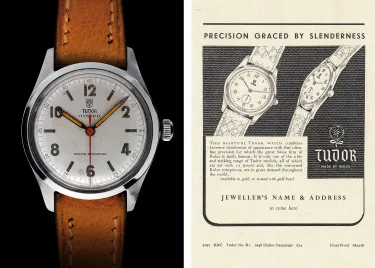
The connection between Tudor and Rolex goes back to Hans Wilsdorf, the founder of Rolex, whose vision was simple: to make the reliability of Swiss watchmaking accessible to a wider audience without compromising on quality.
The Tudor name was registered in 1926, followed by the establishment of Montres Tudor S.A. in 1946. Wilsdorf described his ambition as creating “A watch that our agents could sell at a more modest price than our Rolex watches, and yet one that would attain the standard of dependability for which Rolex is famous.”
That shared foundation remains an important part of Tudor's story, but it does not define the brand entirely. Over the decades, Tudor has developed its own identity, one that is perhaps best expressed through its tagline, “Born to Dare.” Where Rolex embodies timeless prestige and the continuous refinement of established icons, Tudor embraces a more adventurous spirit, combining its watchmaking heritage with bold designs, innovation and a willingness to explore new directions. The two brands may share a founder, but today they express distinctly different philosophies.
Different approaches, Equally strong identities
Rolex and Tudor share a commitment to quality, but express it in different ways. Rolex is recognised for its timeless designs and carefully considered evolution. Icons such as the Submariner and Datejust have maintained their distinctive identities through generations of refinement.
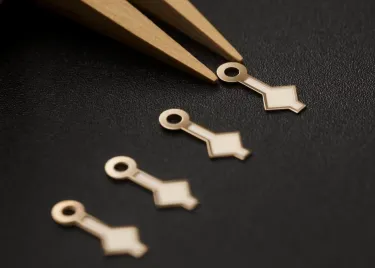
Tudor, in contrast, takes a different approach. The brand combines vintage inspiration with contemporary watchmaking. Its signature Snowflake hands, first introduced on Tudor diving watches in 1969, are a perfect example. Originally designed to improve underwater legibility, they have become an instantly recognisable design feature.
While Rolex continues to refine its established icons, Tudor embraces a more experimental spirit, revisiting historical details, exploring materials and giving classic designs a contemporary twist. This neo-vintage identity allows Tudor to stand apart while remaining true to its watchmaking roots.
Tudor’s versatility
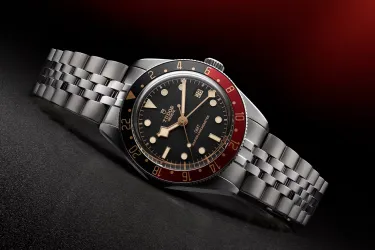
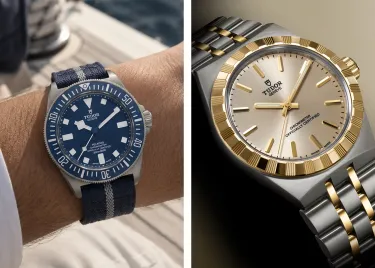
The Black Bay may be Tudor's most recognisable collection, but the brand has much more to offer. With its vintage-inspired aesthetics, the Black Bay captures Tudor's diving heritage, while the Pelagos takes a more technical approach, incorporating lightweight titanium and features developed with professional diving in mind.
The Ranger, meanwhile, embraces the simplicity of an explorer's watch, with a clean, legible dial and understated robustness. On the more elegant side, the 1926 and Tudor Royal collections demonstrate that the brand is equally comfortable creating refined everyday timepieces.
Together, these collections reveal a broader personality: sporty, adventurous, classic or understated, depending on the wearer. This versatility makes Tudor a smart choice for those seeking a watch that reflects their personal taste and lifestyle, rather than following a single iconic design.
Modern engineering, Thoughtful value
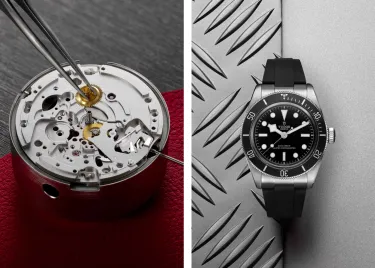
Beyond its distinctive designs, Tudor has continued to invest in technical watchmaking. Selected models feature manufacture movements with impressive power reserves of approximately 70 hours, alongside independent COSC or METAS certification for precision and performance. Moreover, Tudor embraces modern materials, such as titanium in the Pelagos collection, combining durability and functionality with everyday comfort.
These qualities make Tudor a convincing proposition for those who value what a watch delivers as much as the name it carries. With robust construction, capable movements and distinctive designs at a more accessible price point, Tudor offers much of what enthusiasts seek in a Swiss luxury watch, without the same financial commitment as Rolex.

A smart alternative?
Ultimately, choosing between Tudor and Rolex isn't about determining which brand is better, but about what matters most to the wearer. Both names offer their own interpretation of luxury, shaped by different identities and priorities.
While Rolex continues to hold an exceptional position in luxury watchmaking, Tudor embraces a more adventurous design spirit, revisiting historical details, experimenting with materials and reimagining the traditional tool watch. From vintage-inspired aesthetics to modern professional instruments, this freedom gives Tudor a distinctive identity that appeals to collectors and newcomers.
If you are comparing the two with an open mind, Tudor deserves to be considered. After all, the smartest choice isn't necessarily the watch with the most prestigious name, but the one that reflects your personal taste, delivers what you value most and makes you want to wear it every day.